

Blog
Journal
Rolex 2024 Predictions: Pepsi, Rose Gold and Smaller Cases
 5 min read
When 2024 opened, Rolex had not yet said a word about its new references, and that silence was all the enthusiast community needed. Forums filled with guesses about what would arrive and what would disappear, most of it built on dealer whispers, production gossip and the way the brand had behaved for the previous decade.
Looking back at that speculation is useful, because it shows which ideas had real weight behind them and which were wishful thinking dressed up as a rumour. Here is what the watch world expected from Rolex in 2024, and why each prediction made sense at the time.
The Pepsi question
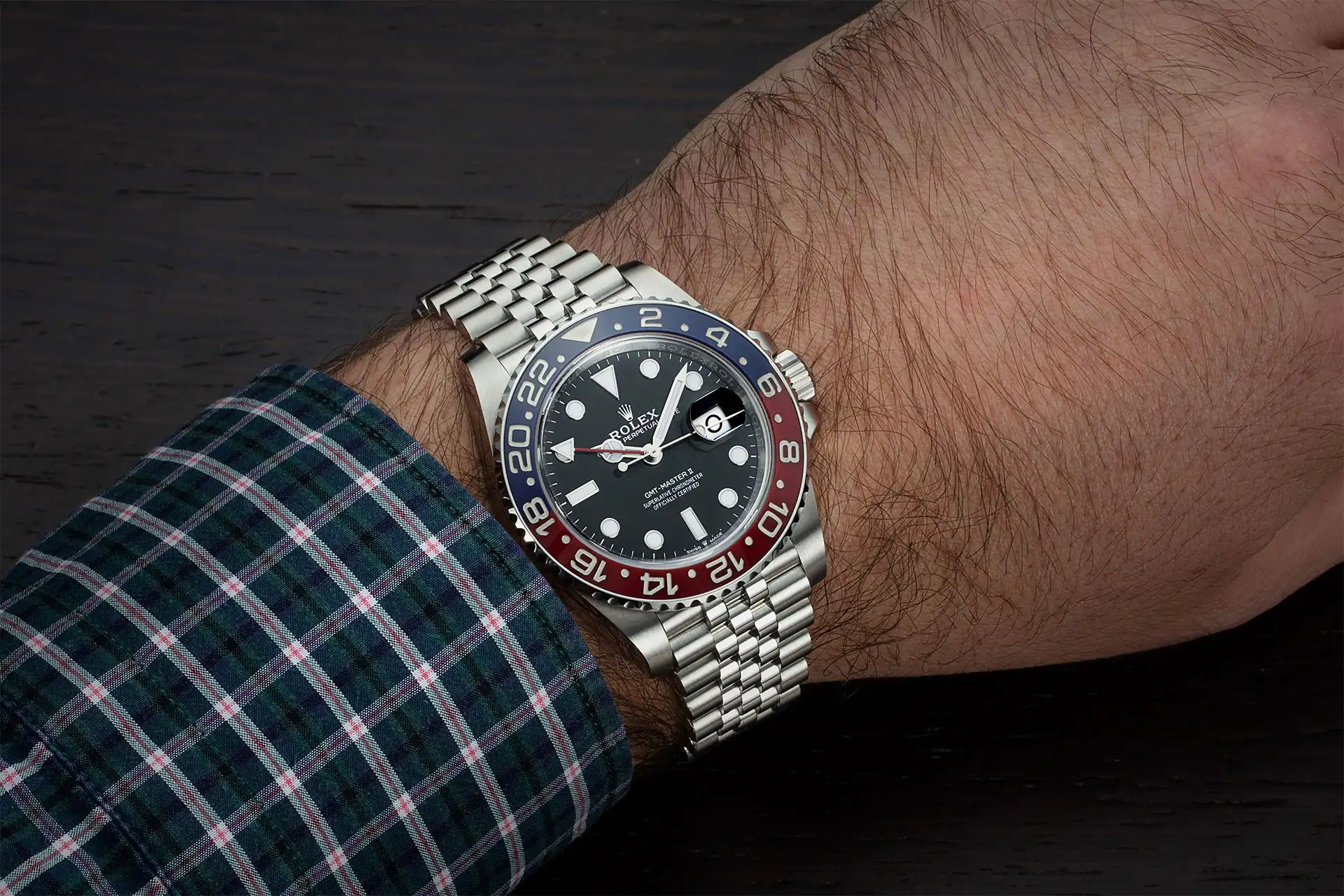
The biggest rumour concerned the GMT-Master II Pepsi, reference 126710BLRO. Its red and blue bezel had made it a favourite, and the theory was that Rolex might pause or end production because hitting the exact shade of red consistently is genuinely difficult. A brand that refuses to compromise on finish does not ship a bezel that comes out slightly off.
For collectors the stakes felt high. The Pepsi is not simply a colourway; it carries a chunk of Rolex history on the wrist. The counterargument was equally strong: Rolex has a long record of retiring a reference and bringing it back later with small changes, so even a discontinuation would not necessarily be permanent. Browse the current GMT-Master II range and the model still looks central to the line.
More watches, shorter waits
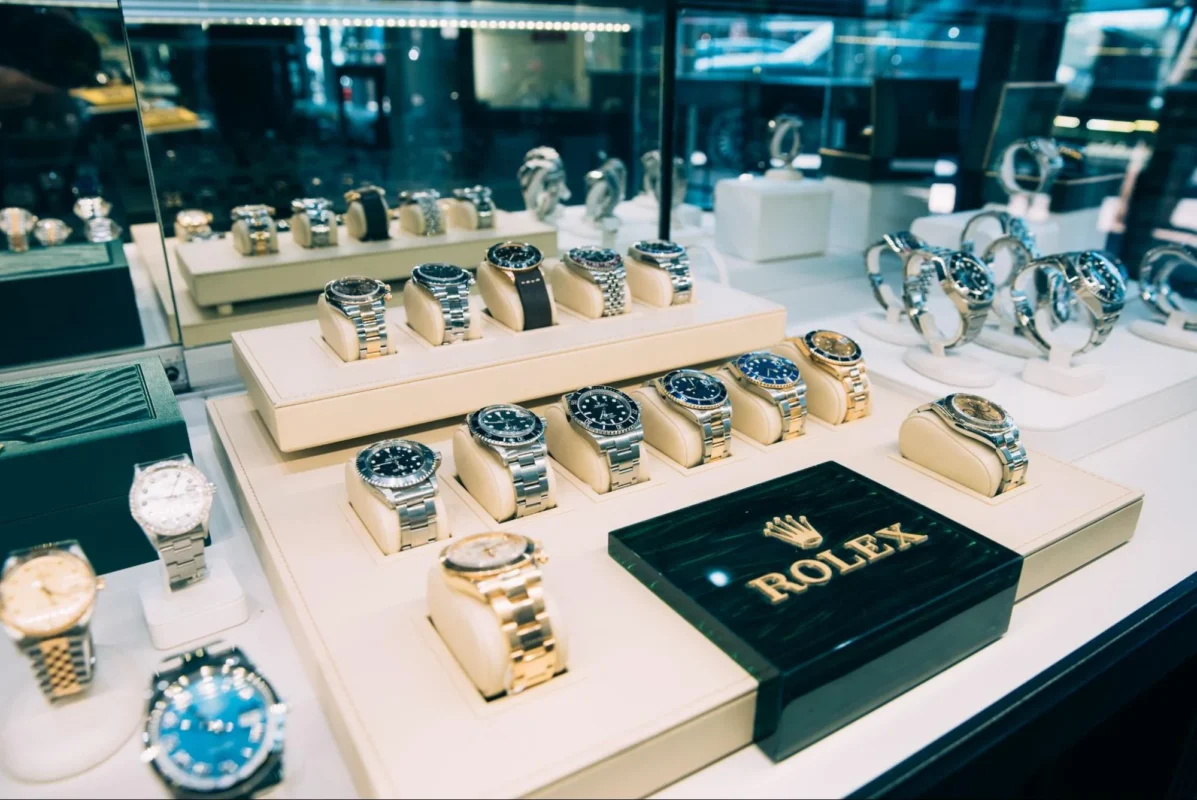
The second theme was supply. Rolex had been investing in new production facilities, which pointed toward more watches leaving the factory than before. For buyers that promised fuller dealer displays, shorter queues for popular references and a little less theatre around the whole process.
More supply tends to do two things to a hot market. It softens the premium that grey-market sellers can charge, because scarcity was the engine behind those numbers. It also pushes out the flippers, since buying at retail and reselling for a quick profit stops working once stock is easier to find. Real enthusiasts gain the most from that shift, because they can finally buy at the normal price.
Vintage revivals
Rolex has always been willing to reach into its archive, so a revival or two felt likely. The name that came up most often was the Perpetual Calendar Moonphase, a genuinely rare vintage piece that sells for serious money whenever one surfaces. Bringing it back would have been a gift to vintage collectors, though nobody expected it as a volume model.
That instinct is worth understanding. When Rolex reissues an old design, it is selling a story as much as a watch, and the story is the reason the modern piece feels heavier than its specifications suggest.
A rose gold Submariner
Talk of Everose gold entering the Submariner line was one of the more intriguing ideas. The Submariner built its reputation in stainless steel, so a warm precious-metal version would have widened the collection’s reach considerably. Imagined dial combinations included deep navy blue and a sundust face paired with a chocolate bezel.

Rose gold is not only a cosmetic choice. It attracts a different buyer, someone who wants the dive-watch silhouette with a dressier, more personal finish. Whether or not that version arrived, the logic behind the rumour was sound.
Oyster Perpetual and textured dials
The Oyster Perpetual has always been the entry point into Rolex ownership, and in the years before 2024 the brand had livened it up with bright lacquer dials. The prediction was that the next step would be texture rather than more colour, since textured surfaces were spreading across the wider watch industry and add depth that flat paint cannot.
A textured Oyster Perpetual would have been a smart move: it keeps the entry price intact while giving collectors a fresh reason to look. Our Oyster Perpetual collection shows how much variety the model already supports.
Amorphous metal and other materials
One of the bolder guesses involved amorphous metal, also called metallic glass. Unlike conventional steel, it resists scratches unusually well and handles magnetic fields better, which would make a watch both tougher and more accurate near laptops and phones.
The appeal is obvious. A case that stays looking new for longer and needs fewer repairs would suit a tool watch perfectly. It would also complicate life for anyone building replicas, since the material behaves differently under machining. The idea never felt far-fetched, because Rolex has a habit of introducing a technology quietly in one model before spreading it across the catalogue.
Complications and smaller cases
A dual-timezone function appearing outside the GMT line was another popular guess, aimed at travellers who want a second time without mental arithmetic. The Submariner and Oyster Perpetual were both floated as possible homes for it, though neither seemed a natural fit.
The size question was more interesting. A 37mm Submariner would have nodded to the shift toward smaller, vintage-inspired proportions and opened the model to wrists that find 41mm too much. Smaller watches had been gaining ground for a while, and a brand with Rolex’s history can follow a trend without looking like it is chasing one.
How the wish list aged
- Pepsi — a possible pause while Rolex chased a consistent red bezel
- Supply — new factories pointing to shorter waits and softer premiums
- Materials — Everose gold in the Submariner and amorphous metal cases
- Size — a 37mm Submariner aimed at smaller wrists
What stands out now is how durable those themes proved. Supply, case size and material experimentation still dominate conversations about new Rolex releases, and the tension between waiting lists and grey-market pricing has not gone away. If you want the dive-watch look without the queue, our Submariner models cover the references people ask about most.
Frequently asked questions
Was the Rolex Pepsi really discontinued in 2024?
It was a prediction, not an announcement. The reasoning was that producing a consistent red ceramic bezel is difficult, so Rolex might pause the reference. Even if that had happened, the brand’s history suggests a return in some form was always possible.
Did more Rolex production lower prices?
The expectation was that higher output would shorten waitlists, soften grey-market premiums and squeeze out flippers. That logic holds in any market: when supply improves, the premium for scarcity shrinks and ordinary buyers benefit first.
Why did people expect a smaller Submariner?
Because watch tastes had been moving toward smaller, vintage-style cases. A 37mm Submariner would have appealed to buyers with narrower wrists and to collectors who prefer subtler proportions, without changing the model’s identity.

Jake Ehrlich
Jake Ehrlich is a renowned Rolex historian, collector, and the Editor & Publisher of Jake's Rolex World, one of the most widely read Rolex publications globally. With a passion that spans decades, Jake has owned and worn over 650 Rolex watches, ranging…
All articles by Jake Ehrlich →