

Blog
Replica Rolex Grades Explained: Japanese Miyota vs Swiss SuperClone
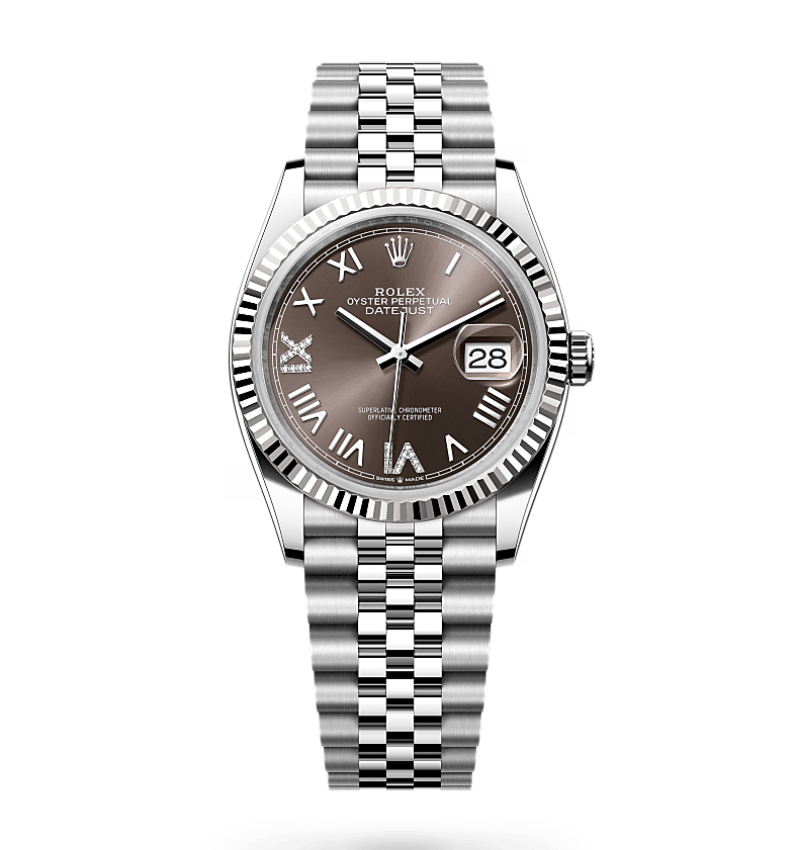
Every replica Rolex we list is sold in one of two builds: a Japanese Miyota movement or a Swiss SuperClone. The price gap between them is real, and so is the difference on the wrist. This is what you are actually choosing between.
What “grade” means in this market
Grade is not a single specification. It is shorthand for a bundle of decisions: which movement goes inside, how the case is machined and finished, how the bracelet is constructed, how the dial is printed, and how closely the proportions match the reference being copied. A seller can get one of those right and the rest wrong, which is why “Swiss made” on a listing means very little on its own.
We only sell two builds, and we describe both honestly. Neither is a genuine Rolex, and neither is sold as one.
The Japanese Miyota build
The Miyota build uses a Japanese automatic movement, usually a 9015-family unit, inside a case built to the reference’s dimensions. It is the sensible entry point: reliable, easy to service, keeps reasonable time, and it lets us keep prices in the low hundreds rather than the high hundreds.
What you give up is mostly in the hand. The case edges are a little sharper, the bracelet links have slightly more play, and the dial printing does not hold up to a loupe the way the Swiss build does. At arm’s length, on a wrist, most people will not notice. Under a magnifier, you will.
The Swiss SuperClone build
The SuperClone uses a cloned Swiss-pattern movement with the correct beat rate, which matters more than people expect: the seconds hand sweeps smoothly rather than ticking, and the winding feel is closer to the original. The case is machined to tighter tolerances, the bracelet end links fit the lugs properly, and the dial is printed with the correct depth and gloss.
This is the build to choose if the watch is going to be handled, photographed, or worn next to someone who owns the real thing. It is also the build where the weight is right, which is the first thing most people notice when they pick a watch up.
How to tell them apart
Three quick checks:
- Seconds hand. A smooth sweep points to a high-beat clone; a visible tick points to a lower-beat unit.
- Bracelet play. Shake the watch gently. A SuperClone bracelet is tight and quiet; a cheaper build rattles slightly.
- Dial under light. Tilt the dial towards a window. Correctly printed indices sit flat and reflect evenly; cheaper printing shows a raised edge.
Which one should you buy
If this is your first replica and you want to see whether the format works for you, take the Miyota build. If you already own watches, handle them regularly, or want the closest thing to the original without paying original money, take the SuperClone. The difference is obvious the moment you open the box.
Either way, every watch we ship is inspected and timed in house, arrives insured and tracked, and carries a 12-month warranty. If you want to compare two specific references side by side before deciding, send us a message on WhatsApp and we will shoot a short video of both.
Browse the Superclone collection or see all Rolex references.

Jake Ehrlich
Jake Ehrlich is a renowned Rolex historian, collector, and the Editor & Publisher of Jake's Rolex World, one of the most widely read Rolex publications globally. With a passion that spans decades, Jake has owned and worn over 650 Rolex watches, ranging from rare…
All articles by Jake Ehrlich →