

Blog
Journal
Rolex Waitlist Scam: How Buyers Lose Thousands
 5 min read
Between 2020 and 2023, people who had never bought a luxury watch walked into Rolex boutiques asking for a Submariner and left with a promise: join the list. That list turned out to be less queue than courtship, a way of rewarding spending history rather than patience. Fraudsters spotted the opening immediately. When a steel Daytona carries a $15,100 retail price and trades above $28,000 secondhand, the spread is an invitation.
What follows is not one scam but a family of them, all built on how little most buyers know about the way authorized dealers hand out watches.
How the “list” actually works
Rolex does not sell to the public. It distributes through roughly 1,100 authorized dealers, each an independent business working inside the brand’s rules. There is no central queue and no shared database. Ask about a hot steel model and the associate may take your details, but what you have joined is an informal roster — a spreadsheet or notebook — ranked by purchase history and future potential.
The usual order of priority runs: VIPs who buy jewelry and slower references, then long-standing watch customers, and finally everyone else. A first-time buyer requesting a steel GMT-Master II Pepsi may wait years. A regular who has just bought a gold Lady-Datejust for a spouse might get a call in three months. Because the system is subjective and opaque, anyone claiming to know a guy sounds believable.
The scams doing the rounds
- Invented allocations. Someone claims AD contacts or an insider job and offers to secure a reference. Forged letterhead, screenshots of “inventory systems” and fake testimonials prop up the story. The ask is a deposit or finder’s fee of $1,000 to $10,000.
- Social media impersonation. Instagram and Facebook profiles clone real dealers, complete with display-case photography and thousands of purchased followers, then slide into your DMs with a Batman at retail and a small holding deposit.
- Advance fee and crypto. The most damaging version insists on Zelle, Bitcoin or gift cards, then manufactures urgency — the allocation expires Friday, another client is circling. The money moves and the profile vanishes.

Which models attract the fraud
Scammers follow the widest gap between retail and street value. Data compiled from Bob’s Watches and community reports puts the targets in a clear order:
- Steel Daytona 116500LN — about $15,100 retail, 85% to 131% above retail secondhand, typical “fee” $2,000 to $10,000.
- GMT-Master II Pepsi 126710BLRO — about $11,050 retail, 38% to 60% premium, fee $1,500 to $5,000.
- GMT-Master II Batman 116710BLNR — about $11,050 retail, 30% to 50% premium, fee $1,000 to $4,000.
- Submariner Date 126610LN — about $10,250 retail, 15% to 30% premium, fee $500 to $3,000.
The arithmetic is the trap. Paying a $5,000 finder’s fee on a Daytona that resells for $30,000 still looks like a win, which is exactly the reasoning the fraud relies on.
Red flags worth memorizing
Real dealers take payment in the store, after the watch has been allocated and inspected, and always against a dealership receipt. Anything else is a warning. So is a promised delivery date: no AD can guarantee when a high-demand reference will arrive. Communication limited to DMs or WhatsApp, pressure to decide today, and no verifiable street address round out the pattern. If you cannot stand in the shop and see the operation, do not send money.
What waits look like now
The market cooled after 2022, and some queues shortened with it. Aggregated dealer and forum reports for 2025–2026 suggest a Submariner Date 126610LN takes weeks to three months for buyers with little history, sometimes less at suburban locations. The no-date 124060 often arrives within one to four weeks. Explorer II 226570 sits around one to three months.
The hyped references remain difficult. Batman runs six to eighteen months depending on relationship, the Pepsi still takes one to three years, and a steel Daytona 116500LN means two to five years or more with an established purchase history. The shortage is real at boutique level, even though Rolex built over 1.2 million watches annually by 2024; individual dealers may receive only two or three examples of a hot reference a year.
Ways to buy without the risk
Pre-owned dealers such as Chrono24, Bob’s Watches and WatchBox authenticate stock and offer buyer protection, at a price above retail for the desirable models. Rolex’s own Certified Pre-Owned program, run through selected ADs, sells verified watches with a two-year international guarantee at prices between retail and grey market. Less-hyped references — Oyster Perpetual, Air-King, many Datejust configurations — are often available with little wait and are built to the same standard.
If the goal is the look rather than the allocation game, a transparent replica seller is at least honest about what it is selling. Our Submariner range and the customer reviews show what that looks like in practice, and the ordering FAQ covers payment and delivery.
If money has already gone
Call your bank first. Wires are hard to reverse, but some can be intercepted within 24 to 48 hours of a report. File a complaint with the FTC at reportfraud.ftc.gov, flag the social account that contacted you, and keep every screenshot, receipt and profile detail. Credit cards carry protection that wires and crypto do not, which is one more reason scammers push the untraceable routes. Individual losses run from $1,000 to more than $50,000, and many go unreported out of embarrassment.
Frequently asked questions
Is there a real Rolex waitlist?
It exists, but not as a first-come queue. Each authorized dealer keeps an informal interest list and ranks clients by purchase history and relationship. Being on it guarantees nothing about timing, and no dealer can promise a date for a steel Daytona or a Pepsi.
Can anyone genuinely get me a Rolex faster?
Only someone selling a watch they already own. Grey market dealers can supply a Pepsi today, at a premium, but they are not granting queue access. Anyone outside the AD network who claims insider connections and wants money up front is almost certainly a fraudster.
How much do victims typically lose?
Losses start around $1,000 and climb past $50,000, with advance-fee schemes built around the steel Daytona producing the biggest numbers. The FTC tracks luxury goods fraud, though a large share of cases never get reported because buyers feel foolish.
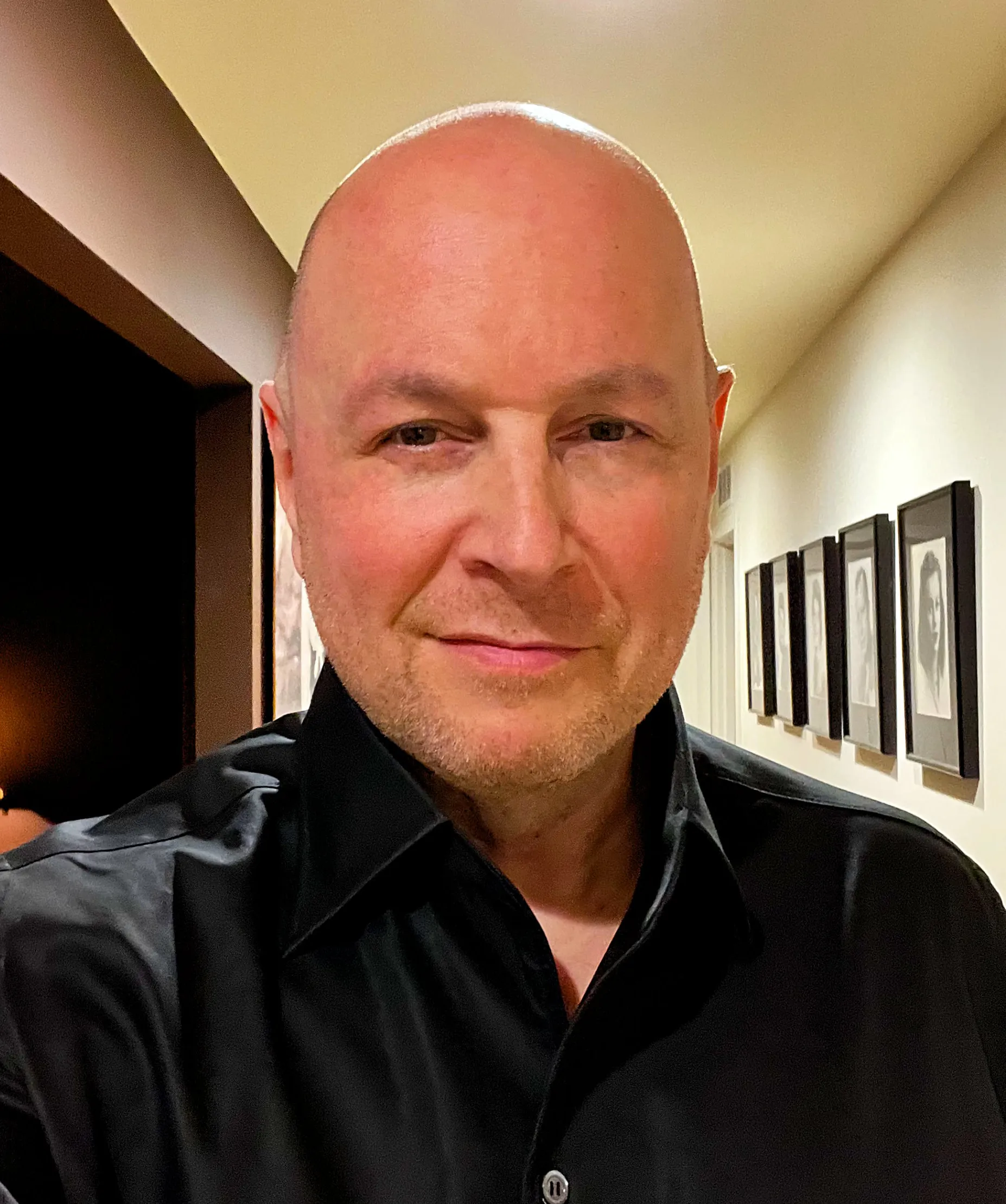
Jake Ehrlich
Jake Ehrlich is a renowned Rolex historian, collector, and the Editor & Publisher of Jake's Rolex World, one of the most widely read Rolex publications globally. With a passion that spans decades, Jake has owned and worn over 650 Rolex watches, ranging…
All articles by Jake Ehrlich →