

Blog
Where Are Fake Watches Commonly Sold?

A night market in Bangkok will sell you a “Rolex” for the price of dinner. The case feels light, the markers sit crooked, the lume is the wrong shade, and the printing smears under a thumbnail. Stalls like that are why good replicas carry a bad name — and they are only one corner of a much larger trade.
A market larger than the real one
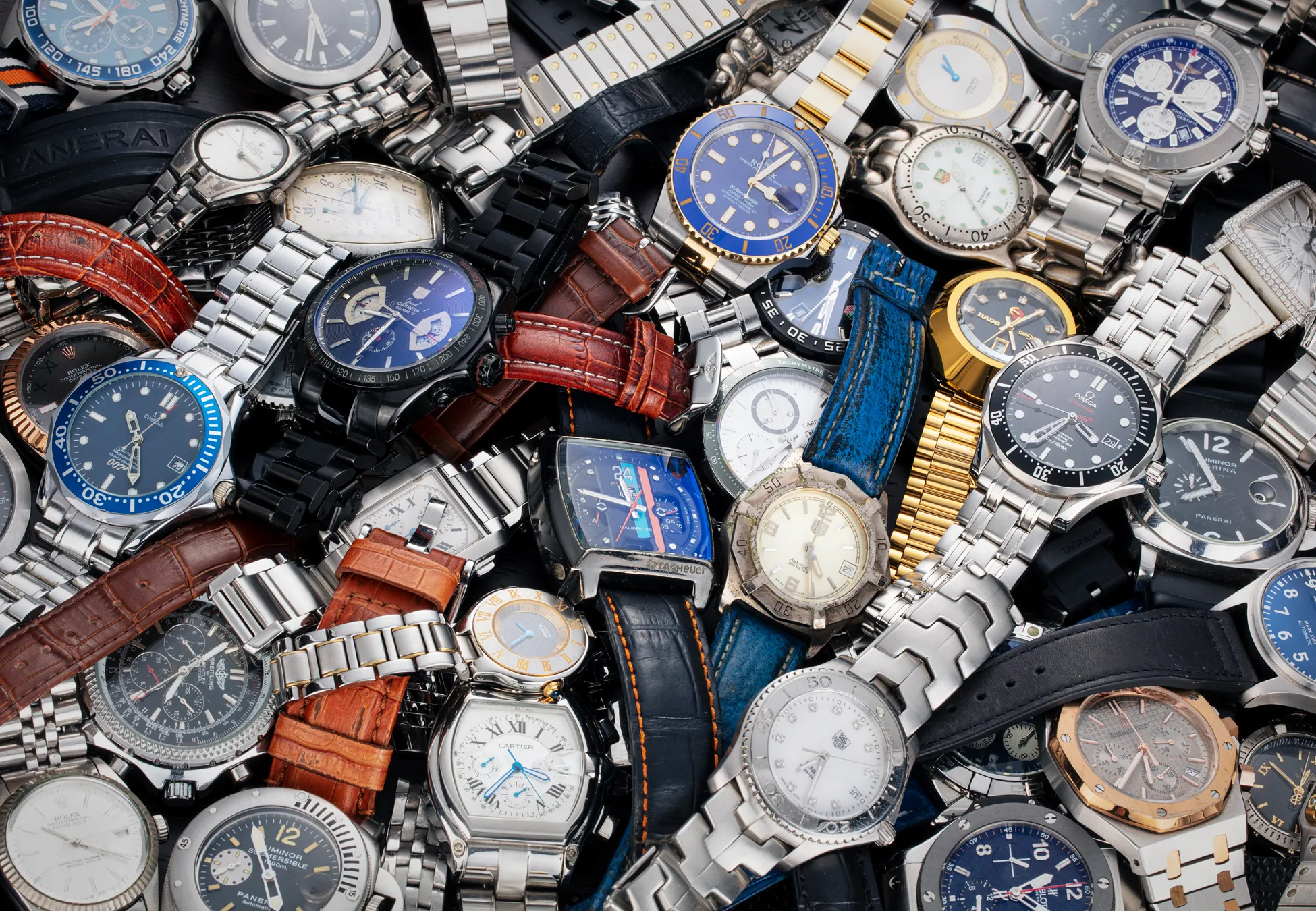
The Federation of the Swiss Watch Industry counts roughly 30 million genuine Swiss watches produced each year. Counterfeit output is estimated at 40 million, so copies outnumber originals. Volume is only half the story. CNC machining and 3D printing pulled production up from tourist junk into super clone territory, and e-commerce gave the trade round-the-clock distribution with fast delivery to the buyer’s door.
Price pressure did the rest. As genuine watches climbed, the affordable shortcut became more attractive, and the market split into two very different experiences: the street stall and the specialist seller.
Where fakes are sold in person
Tourist districts provide cover, and the biggest hubs have been trading for decades. China accounts for an estimated 40% to 60% of global replica production, with Guangzhou acting as the wholesale source. The five names that come up most often:
- Bangkok, Chatuchak — enormous selection at $20 to $200, with quality to match the price and a high scam risk.
- New York, Canal Street — easy to reach and occasionally holding a decent piece, though raids and shifting stock make it unreliable.
- Istanbul, Grand Bazaar — confident sellers and better stock, offset by language barriers, legal risk and heavy sales pressure.
- Guangzhou — the origin point for super clones, wholesale oriented, and hard to navigate without contacts.
- Dubai, Karama Market — tourist friendly with the occasional warranty, but overpriced and backed by strict customs.

Four warnings at the stall
Start with price. A proper super clone begins around $600; anything dramatically cheaper is a lower grade or an outright con. Pushy selling is the second signal, since reputable vendors let a buyer look without a countdown. Third, inspect the branding: misspelled names, shallow engraving and off-center logos give the table away. Finally, treat cash-only demands with suspicion — traceable payment suggests a seller who expects to still be there tomorrow.
None of those warnings matters as much as the absence of recourse. A stall sale usually ends with no receipt, no warranty and nobody to complain to, which is a poor trade for saving a few hundred dollars on something you plan to wear for years.
The online layer
Statista puts e-commerce growth near 15% a year, and the replica trade followed the traffic. Each channel carries its own risk profile:
- eBay and Amazon — counterfeits are banned and partly filtered, so quality and availability swing wildly.
- Alibaba and AliExpress — vast catalogs and low prices, with scam exposure to match.
- Instagram and TikTok — influencer-driven checkout, fake reviews and almost no buyer protection.
- Dark web markets — high-end stock reachable through Tor, requiring technical know-how and illegal in many jurisdictions.
- Dedicated replica stores — narrow catalogs, published policies, warranties and traceable payment.

What a serious seller looks like
A specialist store can be checked in ways a market table cannot. Payment runs through cards or crypto with a record attached, shipping terms are written down, and a warranty exists in text rather than in conversation. Reviews can be read before money moves, and the catalog is specific about grades instead of promising a luxury watch for pocket change.
That transparency is the whole difference between buying a replica and being defrauded. Our Rolex collection separates the grades clearly, the shipping policy spells out delivery and customs handling, and buyer reviews show how orders actually arrive. If a listing elsewhere offers a “super clone” at $80, the price is telling you which tier it belongs to.
Frequently asked questions
Are street market replicas worth buying?
Rarely. Most stock in tourist markets sits at the bottom of the quality range, with light cases, poor lume and misaligned markers. A handful of tables carry better pieces, but you need to know what you are looking at, and there is no recourse once you walk away.
Is buying a replica watch online legal?
It depends on the country. Personal-use purchases are not prosecuted in many places, but customs can seize and destroy a parcel, and some jurisdictions are far stricter. Check local rules before ordering, and assume a single shipped watch may be inspected at the border.
How can I tell a super clone from a cheap fake?
Price, weight and finishing. Genuine-grade replicas start near $600, feel correct in the hand, and show crisp dial printing and clean engraving. Cheap fakes run light, tick loudly where they should sweep, and use font and color combinations the real factory never made.
Jake Ehrlich
Jake Ehrlich is a renowned Rolex historian, collector, and the Editor & Publisher of Jake's Rolex World, one of the most widely read Rolex publications globally. With a passion that spans decades, Jake has owned and worn over 650 Rolex watches, ranging from rare…
All articles by Jake Ehrlich →