

Blog
Where to Find the Best Super Clone Rolex Watches
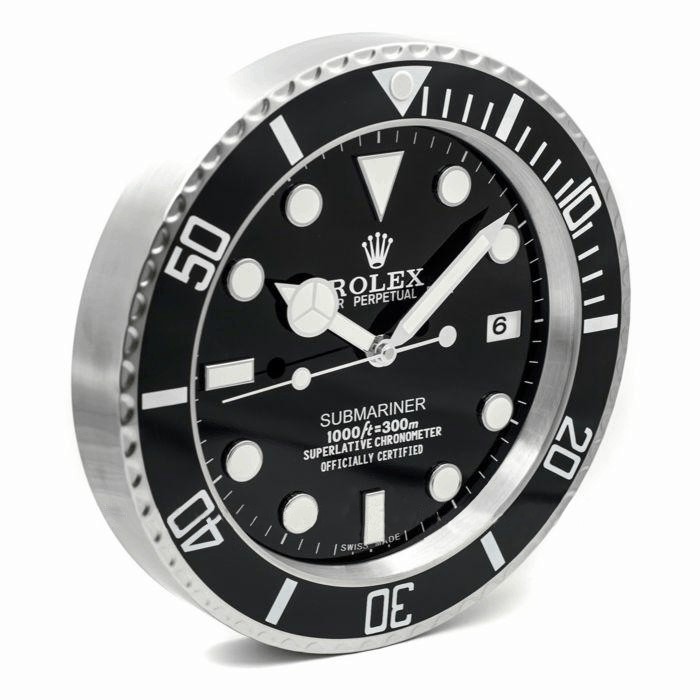
Search for a super clone and the results split into two camps: slick storefronts with no history, and forum threads arguing about factories nobody can name publicly. The watches themselves are real enough — the problem is working out which seller is holding one, and which is holding a photograph of one.
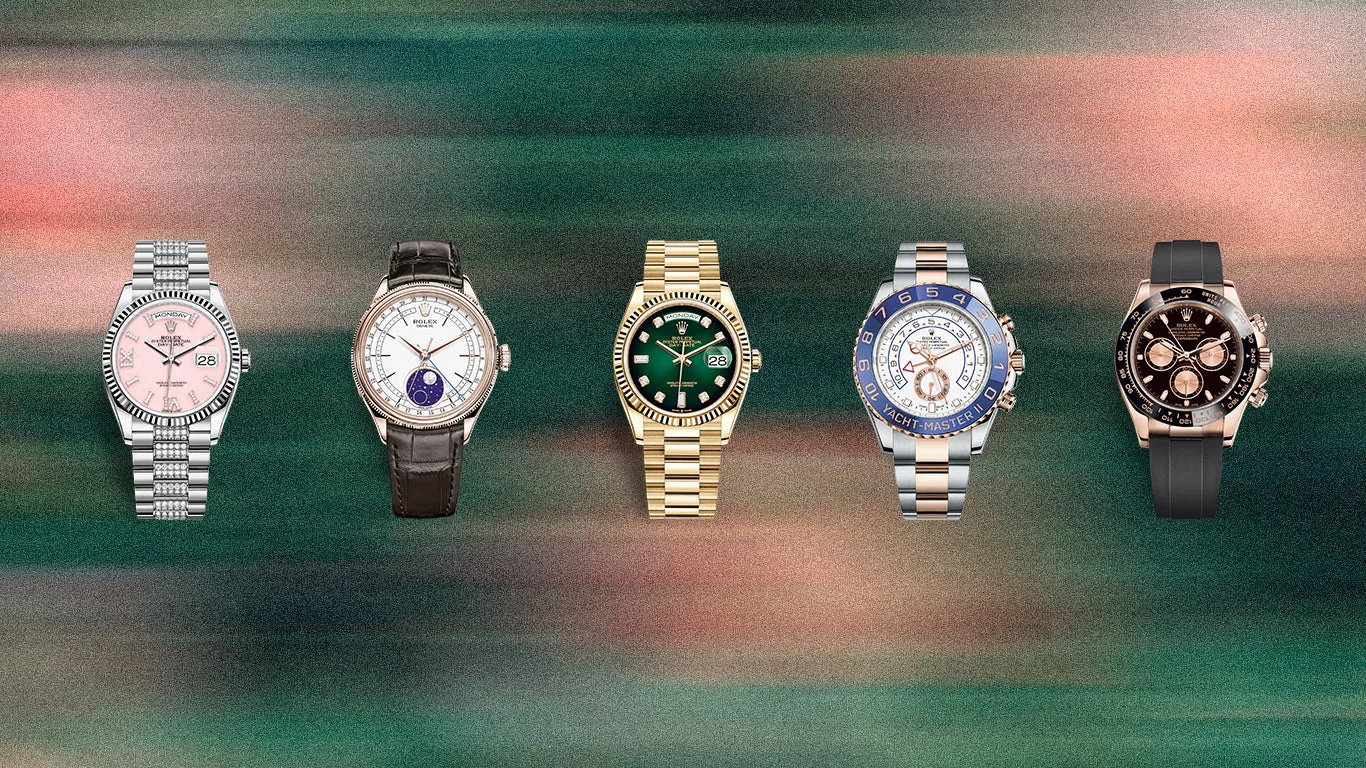
Rolex accounts for roughly 34.2% of transactions in the luxury watch market, according to Chrono24, and that dominance is exactly why the replica trade follows it. Here is how to tell a serious super clone from an expensive disappointment, and how to buy without becoming someone’s cautionary tale.
What a super clone actually is
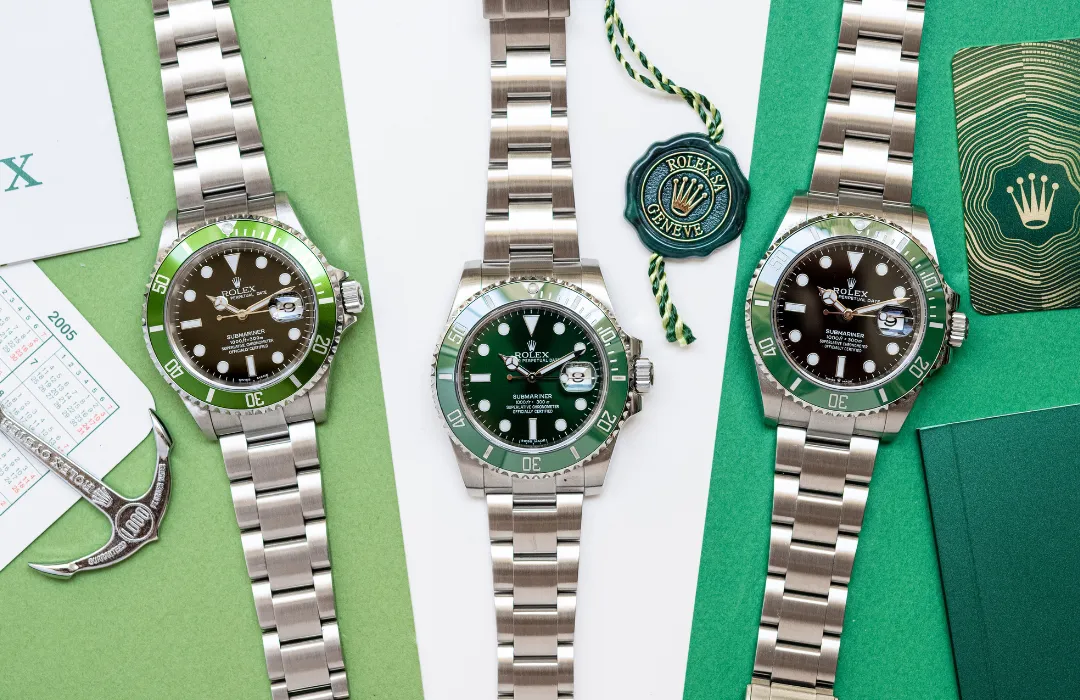
Basic replicas use plated cases, quartz movements and crystals that scratch. The serious ones — the Submariner super clones collectors trade notes on — start from a different parts list entirely. Super clones are assembled from 904L stainless steel, sapphire with anti-reflective coating, laser-etched crowns and ceramic bezels with engraved markings. On a Submariner, even the bezel insert can carry platinum-filled numerals.
The best examples reach around 95% visual and functional similarity, and the movements — Swiss or cloned Swiss calibres — typically hold within COSC tolerances of −4 to +6 seconds a day. Two factory names come up repeatedly in owner discussions: VSF and Clean. Both have earned reputations for consistent finishing rather than one-off hero pieces.
What to inspect before you commit
Quality lives in details you can check from photographs, provided the seller sends real ones. Ask for each of the following:
- Weight. A steel Submariner should land near 150 grams. Anything noticeably lighter is not 904L.
- Movement. A smooth sweep with no audible tick, and no stutter when the seconds hand passes the markers.
- Engravings. Rehaut text that is sharp and evenly spaced, plus a serial deep enough to catch light.
- Cyclops. Magnification of roughly 2.5 times, with the date filling the lens.
- Bezel action. Clean unidirectional clicks with no wobble.
- Lume. An even glow across every marker, with no dim patches.
- Water resistance. The good ones are sealed to around 100 metres on paper; treat real-world use as splash protection unless the seals have been tested.
How to vet a seller
Start with reviews, and check the dates on them. A page of five-star comments posted in the same week is worth less than a slow trickle of mixed feedback over two years. Look for buyers describing the watch they actually received, not the speed of the courier, and compare that with our own customer reviews.
Payment is the second filter. A credit card gives you a dispute process; a transfer or crypto payment gives you nothing. Sellers who insist on the irreversible option are telling you something. Before paying, ask for QC photographs and a short video of your specific watch — not the catalogue image — and confirm the returns position in writing. Our shipping policy shows what that looks like when a seller is straightforward about it.

Red flags that end the conversation
Price is the loudest signal. Anything under $400 is usually low-end stock with thin plating and a noisy movement, and the pictures will flatter it. Quality super clones generally run $600 to $1,500, and a quote far below that range is not a bargain.
Then watch the behaviour. No returns policy, silence after payment, pressure to decide today, or a sudden story about customs seizing the parcel. Any one of those is enough to walk. Stick to sellers who publish their terms, answer questions before the sale and have a history you can read.
What you get, and what you do not
The appeal is arithmetic. A super clone delivers the silhouette and most of the feel for somewhere between 5% and 10% of the genuine price, with no waiting list and no boutique relationship to cultivate. Owners report high satisfaction for exactly those reasons, and the running costs are low.
The other side is equally clear. There is no resale value, no manufacturer warranty and no collector provenance. If those three things matter to you, no replica will satisfy the requirement, however good the finishing is. If what you want is a watch to wear, they matter much less.
Living with one
Maintenance is simple and mostly about keeping salt and grit out of the seals. Wipe the case with a soft cloth daily, rinse with fresh water after swimming, and clean the bracelet occasionally with warm soapy water and a soft brush before drying it with a microfibre cloth. Once a month, check that the bracelet screws and crown are tight.
Have a watchmaker look at it every three to five years to check the movement and the gaskets. Treated that way, a good clone will run for seven to ten years, which is a long time for the money. What it will never do is appreciate, and no warranty will match the five years Rolex gives a genuine watch.
Legally, ownership for personal use is accepted in most countries; selling one, or presenting it as genuine, is where the trouble starts. Check your local rules before ordering, and never let a replica leave your possession described as anything else.
Frequently asked questions
How much should a good super clone cost?
Between $600 and $1,500 for the top tier. Below $400 you are generally looking at a lower grade with plated metal and a rougher movement, regardless of how the listing describes it.
Which factories have the best reputation?
Clean and VSF come up most often in owner discussions, particularly for Submariner and Daytona references. Ask your seller which factory a watch comes from and expect a direct answer.
Can a super clone be serviced?
Yes, by an independent watchmaker rather than a brand service centre. Cleaning, lubrication and new gaskets every few years will keep it running; major parts are harder to source.

Jake Ehrlich
Jake Ehrlich is a renowned Rolex historian, collector, and the Editor & Publisher of Jake's Rolex World, one of the most widely read Rolex publications globally. With a passion that spans decades, Jake has owned and worn over 650 Rolex watches, ranging from rare…
All articles by Jake Ehrlich →