

Blog
Rolex Price Increase 2025: A Detailed Analysis
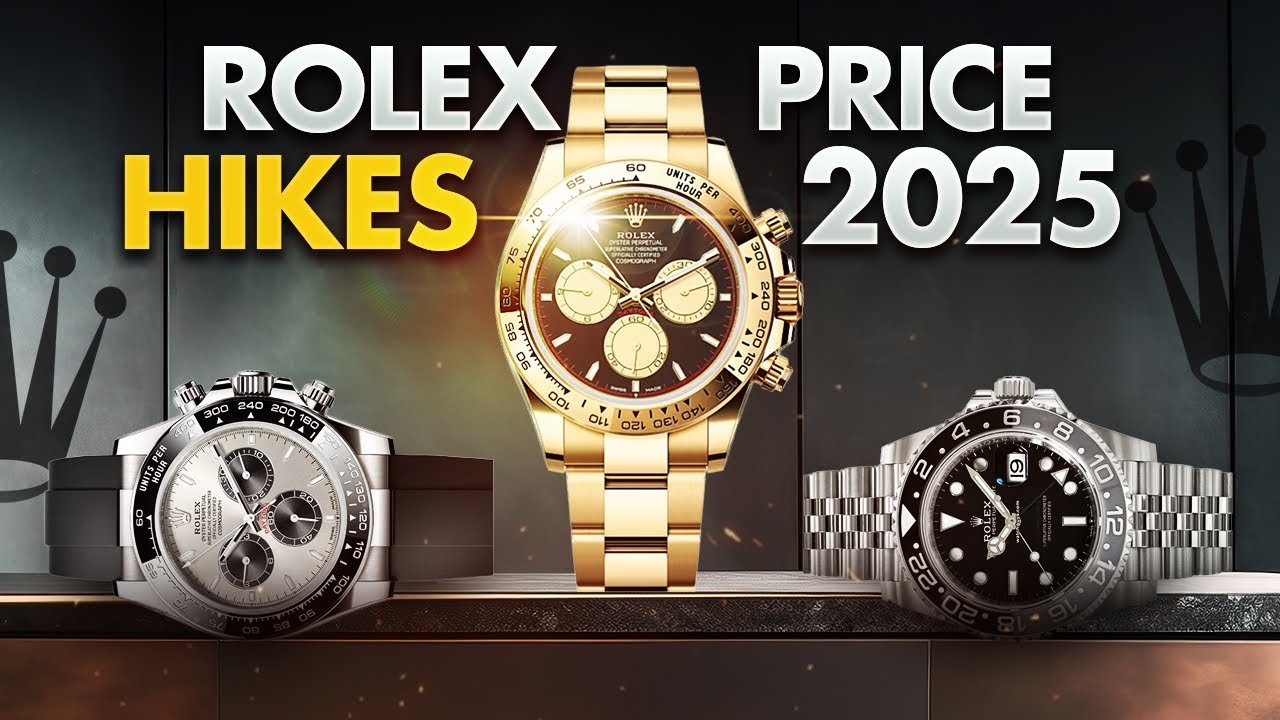
Rolex adjusted its prices again in January 2025, and the pattern was familiar even if the numbers were not. Steel references moved by roughly one percent. Gold references moved by as much as 14%. The gap between those two figures explains more about the modern watch market than any single model on the list.
How the increase was applied
There was no press release. Rolex does not announce adjustments; it updates the retail listings and lets the market notice. The changes are applied model by model and material by material, which is why averages conceal as much as they reveal. Steel models averaged around 1%, two-tone models landed between 5% and 9%, platinum stayed near 1%, and gold rose by up to 14%.
Timing is not fixed either. Increases usually arrive at the start of the year, but the brand has made additional mid-year adjustments when metal costs move sharply. Buyers who track list prices learn to check before assuming last year’s figure still applies.
The new list prices
Six popular references show the range of the adjustment clearly:
- Submariner 124060, steel: $9,200, up from $9,100.
- Submariner Date 126610LN, steel: $10,400, up from $10,250.
- GMT-Master II 126710 on Oyster, steel: $10,800, up from $10,700.
- Datejust 36, fluted bezel on Jubilee, steel: $9,250, up from $8,950.
- Daytona in rose or white gold on Oysterflex: $38,100, up from $32,100.
- Daytona 126508 in yellow gold on Oyster: $47,000, up from $39,500.
Regional pricing and individual retailers can shift these figures slightly, but the direction is unambiguous: the further a watch sits from steel, the harder the increase landed.
Model by model percentages
Broken down by family and material, the pattern is even clearer:
- Datejust, steel: gained 1%.
- Datejust, two-tone: gained 5%.
- Datejust, gold: gained 7%.
- GMT-Master II, steel: moved between 0.9% and 1%.
- Submariner, steel: gained 1%.
- Submariner, two-tone: gained 5% to 9%.
- Submariner in gold: gained 7%.
- Daytona, steel: gained 2.6% to 3%.
- Daytona, gold: gained 13% to 19%.
The steel Submariner and GMT-Master II barely moved in percentage terms, though the absolute sums are hardly trivial at these prices. The gold Daytona moved so far that its list price now sits in a different bracket entirely.
What pushed gold higher
Four forces did most of the work. Production costs rose across the industry as supply chains strained, labour stayed scarce and raw materials became more expensive. Global uncertainty, including the run-up to the US presidential election, made luxury pricing easier to justify. Gold itself reached its strongest level in more than a decade, helped by lower interest rates that made the metal more attractive to investors. And Rolex continued to manage exclusivity through price rather than volume.
Demand gave the brand room to move. Waiting lists for steel sports models remained long, and buyers kept paying, which meant a higher price carried little commercial risk.
What the analysts said
Forecasts before the change clustered in the mid single digits. EW Watches predicted an average of 5% to 7%, citing the economic backdrop, the election and gold. Wristler argued that steel could rise further than in previous years because demand had grown. Monochrome Watches expected steel to stay modest while gold and two-tone absorbed the pressure, which is essentially what happened.
Teddy Baldassarre made a narrower point that turned out to be the most useful: every Rolex model that had been priced under $10,000 in 2024 was still under $10,000 in 2025. The entry threshold held even as the ceiling rose.
The longer record, and the used market
One year is a poor lens for this brand. Over the previous five years, the price index for the most popular models climbed by almost 42%. That run was not smooth. In 2023 the average price actually fell by around 12% as the secondary market cooled, before retail increases resumed. Across three and five-year windows, the direction has consistently been upward.
Retail changes reset the used market too. Dealers reprice against the new baseline, which lifts resale values for clean examples and can push them to or above their original list price. For a buyer, that cuts both ways: the watch you own is worth more, and the watch you want costs more as well.
If you are weighing a purchase against the new numbers, the Submariner range and the Daytona range show where the gap between list and reality is widest. Our FAQ covers the practical side of ordering.
Frequently asked questions
How much did Rolex prices rise in 2025?
Steel models rose by about 1%, two-tone by 5% to 9%, gold by up to 14%, and platinum by around 1%. Across the catalog the average landed near 4% to 6%.
Did any Rolex models stay under $10,000?
Yes. Every reference that was priced below $10,000 in 2024 remained below that figure in 2025, even though gold and two-tone models moved sharply higher.
What does a retail increase do to used prices?
Dealers reset their pricing against the new retail level, so clean pre-owned watches typically rise as well and can sell at or above their original list price.

Jake Ehrlich
Jake Ehrlich is a renowned Rolex historian, collector, and the Editor & Publisher of Jake's Rolex World, one of the most widely read Rolex publications globally. With a passion that spans decades, Jake has owned and worn over 650 Rolex watches, ranging from rare…
All articles by Jake Ehrlich →