

Blog
Become a Rolex Expert: Collections and Waitlists

Most people can recognize a Rolex across a room. Far fewer can separate a Datejust from a Day-Date, explain what a Rolesor case is, or say why a Submariner’s crown sits where it does. The distance between those two levels is not secret knowledge. It is a compact vocabulary, a handful of dates, and enough context to place every collection correctly. Learn those three things and you can hold your own in almost any conversation about the brand.
A history written into the designs
Hans Wilsdorf and Alfred Davis opened the company in London in 1905, and the Rolex name was registered three years later. Operations moved to Geneva by 1919. From the start the priority was accuracy rather than ornament, which is why the modern catalog still reads like a set of engineering decisions instead of fashion cycles.
- 1926: the Oyster case debuts as the first wristwatch built to be waterproof.
- 1931: the Perpetual rotor brings self-winding to the wrist.
- 1953: the Submariner arrives as the first divers’ watch rated to 100 metres.
- 1956: the Day-Date becomes the first watch to spell the weekday in full.
- 1963: the Cosmograph Daytona is created for racing drivers.
The vocabulary that marks an expert
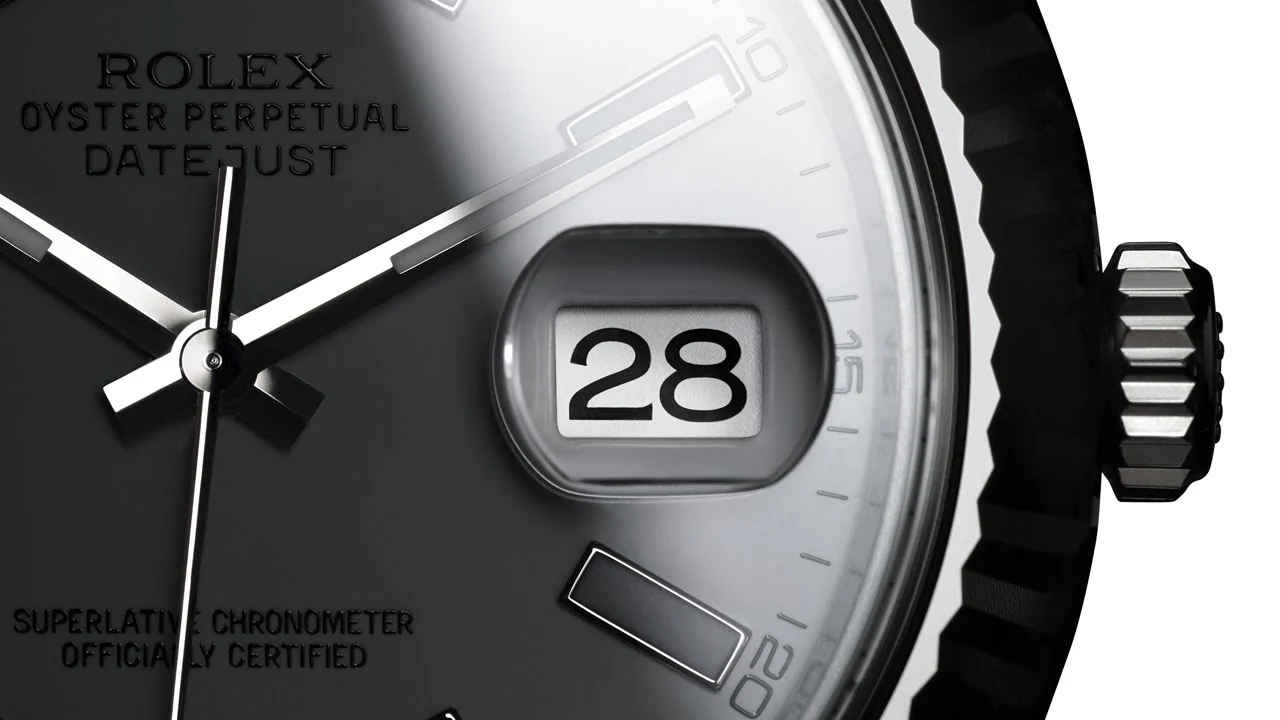
Precision at Rolex has a name: Superlative Chronometer, a certification of -2/+2 seconds a day that is stricter than the standard COSC test. The case is the Oyster, the self-winding movement is the Perpetual, and the magnifier over the date is the Cyclops, which enlarges it 2.5 times.
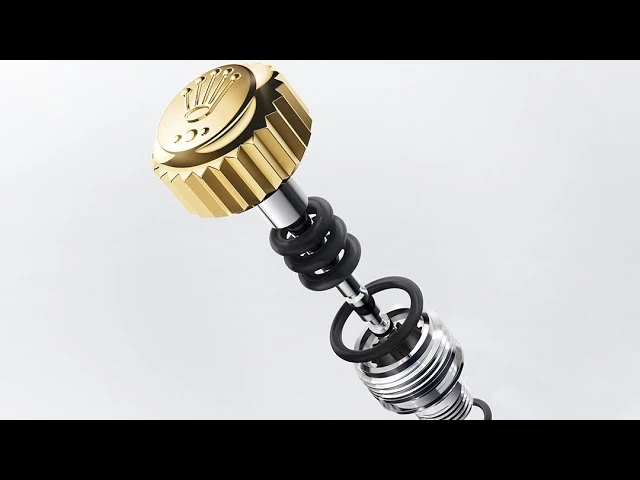
Water resistance on professional models comes from the Triplock crown, a triple seal built for depth. Inside the movement, the blue Parachrom hairspring resists shocks and magnetism, while Cerachrom ceramic gives bezels their colour without fading under sun or salt.
Bracelets have their own language. The Jubilee, introduced in 1945, uses five-piece links for comfort; the President uses three and appears only on precious-metal Day-Dates. Oysterflex is an elastomer strap with a metal blade inside. Rolesor means steel paired with gold, and Rolesium means steel paired with platinum, a combination used on the Yacht-Master.

Two more terms worth knowing: Glidelock, the clasp that lets a diver adjust bracelet length over a wetsuit, and the helium escape valve that protects a Sea-Dweller during decompression. Dials can be mother-of-pearl or meteorite, and both are exactly what they sound like.
Every collection, identified at a glance
Each family has one visual signature. Learn the signature and you can name the watch before the owner tells you.
- Oyster Perpetual: no date, smooth bezel, stick markers. The purest and least expensive modern Rolex, from roughly $5,000.
- Datejust: date at 3 o’clock under a Cyclops, fluted or smooth bezel. From about $7,000.
- Day-Date: weekday spelled out at 12, President bracelet, gold or platinum only. From roughly $30,000.
- Submariner: rotating dive bezel, 300 metres, luminous markers. Around $8,000 at retail, $14,000 and up on the grey market.
- GMT-Master II: 24-hour bezel and an extra hand. Two-tone bezels carry nicknames such as Pepsi or Batman. From about $10,000, closer to $16,000 grey.
- Explorer: numerals at 3, 6 and 9, no date on the base model. From around $6,500.
- Milgauss: lightning-bolt seconds hand and green sapphire, rated to 1,000 gauss. About $8,000 retail.
- Yacht-Master: raised polished numerals on a bidirectional bezel. From roughly $15,000 used.
- Yacht-Master II: oversized case, Ring Command bezel, regatta countdown. Discontinued in 2024, from about $18,000.
- Sea-Dweller and Deepsea: helium valve, 1,220 metres and 3,900 metres respectively, with 43 and 44mm cases.
- Daytona: tachymeter bezel and three sub-dials. From about $14,000 in steel, past $30,000 with a ceramic bezel.
- Sky-Dweller: off-centre 24-hour disc and annual calendar. From around $15,000.
- Pearlmaster: gem-set jewellery watch from roughly $50,000.
- Cellini: dress watches on leather, from about $15,000.
- Air-King: aviation dial, 40mm, from around $6,500.

Why the waiting list exists
Rolex builds almost everything in-house, including cases, dials and movements; only the hands and crystal come from outside. That control protects quality but caps output. When demand outruns supply, authorized dealers allocate rather than sell, and the steel Daytona has been known to keep buyers waiting anywhere from two to eight years.
Dealers reward history. Repeat purchases, regular visits and genuine interest all help, and patience tends to count for more than persistence. The result is a two-tier market in which loyal clients get first refusal and everyone else pays a premium.
Where the grey market fits
Because allocation is limited, resale prices for the most wanted references run far above retail. A steel Daytona can change hands for more than double its list price simply because it is available today. That premium is the cost of skipping the queue, and it explains why so many collectors treat the secondary market as the real market.
For anyone who wants the look without the wait, the replica market offers another route, and the details that separate a good one from a poor one are the same details covered above: case finishing, bezel action, bracelet weight and dial print. Our Submariner collection and Datejust collection show how far that standard has come, and the FAQ page answers the practical questions.
Frequently asked questions
What is the quickest way to tell a Datejust from a Day-Date?
Look at the top of the dial. A Day-Date spells out the weekday as a full word at 12 o’clock, while a Datejust shows only the date at 3 o’clock beneath the Cyclops lens.
Why is a steel Daytona so difficult to buy at retail?
Production is deliberately limited and demand is intense, so dealers allocate the few pieces they receive. Wait times for a stainless steel Daytona have been reported at two to eight years.
How can I tell a 40mm Submariner from the 41mm version?
Check the text at six o’clock. On the 41mm generation introduced in 2020, the Rolex crown sits between the words “Swiss Made”; on the 40mm it does not.
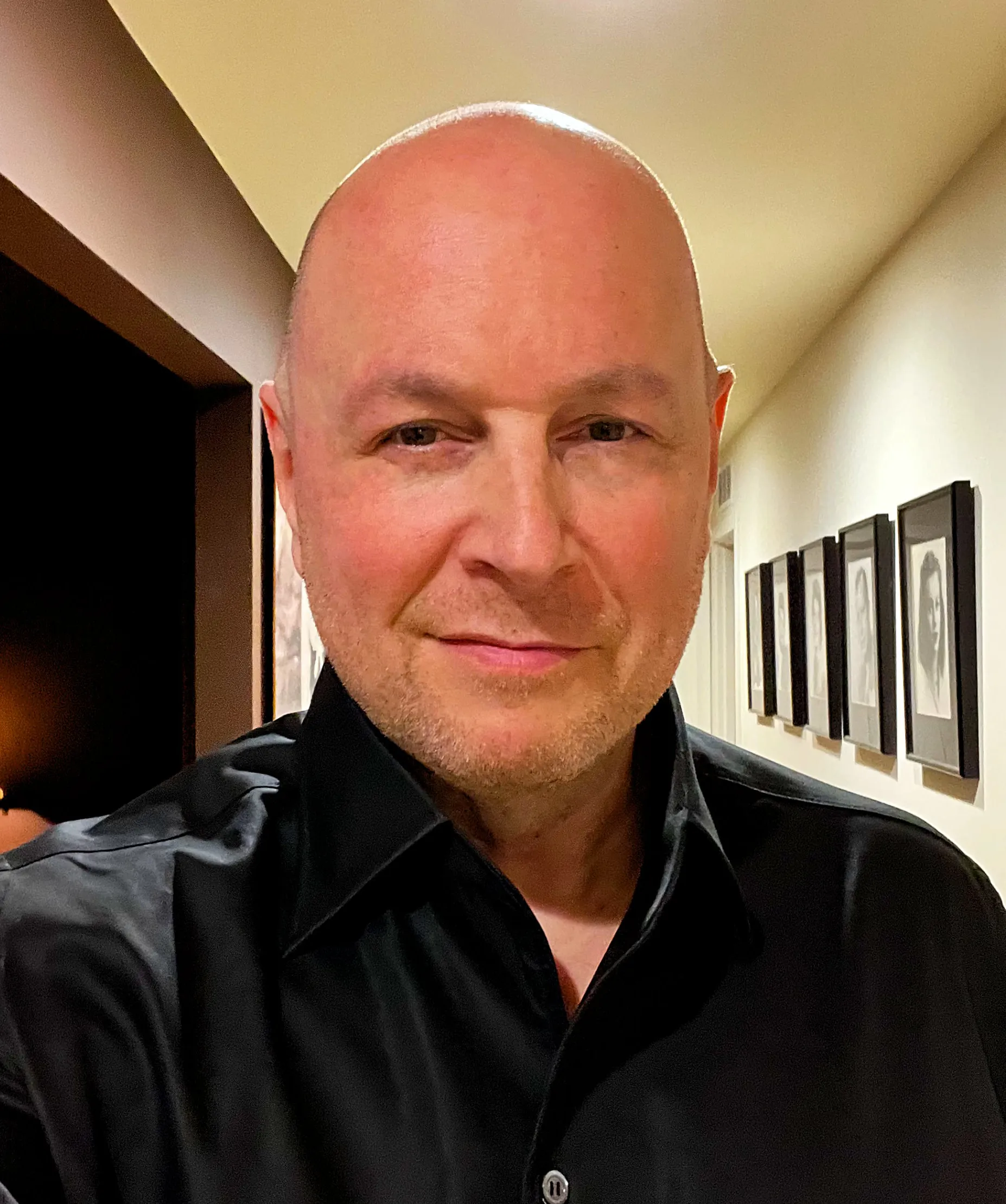
Jake Ehrlich
Jake Ehrlich is a renowned Rolex historian, collector, and the Editor & Publisher of Jake's Rolex World, one of the most widely read Rolex publications globally. With a passion that spans decades, Jake has owned and worn over 650 Rolex watches, ranging from rare…
All articles by Jake Ehrlich →